June 17, 2026
If you are a professional in Taiwan's PCB or semiconductor packaging supply chain, the past six months must have been highly palpable—ABF substrate lead times are tightening week by week, quotes are firming up quarter by quarter, and clients are willing to negotiate everything from Long-Term Agreements (LTAs) to strategic investments. Many intuitively recall the massive substrate boom driven by PC demand from 2020 to 2022 and worry: Are we going to repeat the tragic price collapse of 2023 and 2024? Our observation is this: This cycle is entirely different from the last one in terms of driving forces, demand structure, industry positioning, and client negotiation models. This article attempts to deconstruct the key structural differences behind this substrate upcycle from a frontline supply chain perspective, along with its practical implications for professionals in the Taiwanese electronics supply chain.
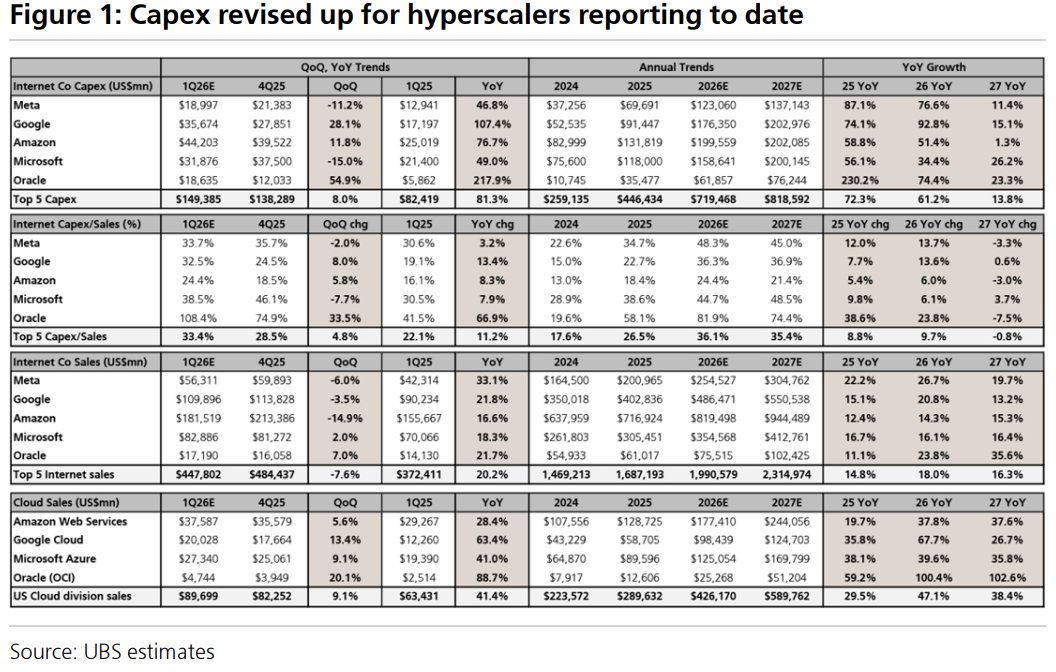
The core of the previous substrate boom (2019–2022) was a massive inventory pull driven by surging PC and laptop demand during the pandemic. The entire industry expanded aggressively under client commitments. However, when the pandemic dividend ended and consumer demand halved, the painful inventory corrections and price collapses of 2023 and 2024 ensued.
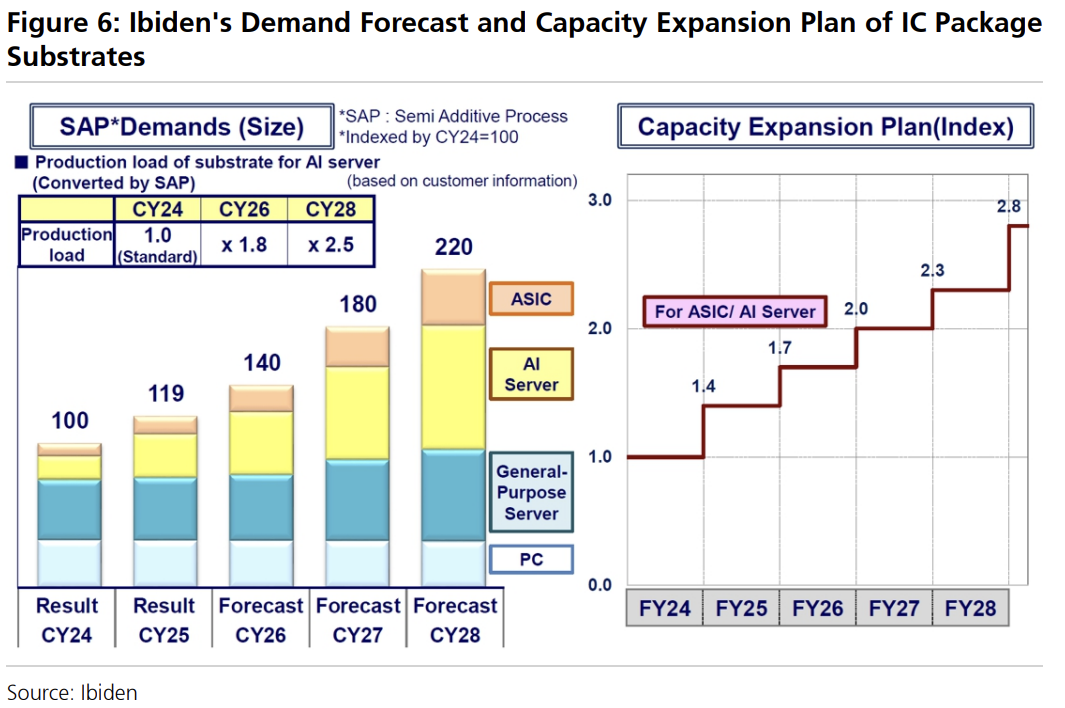
This time, the demand structure is fundamentally different:
In short, this is not a "short‑term inventory pull" for consumer electronics, but a "structural, long‑cycle investment" in cloud infrastructure and AI computing power build‑outs.
Key Takeaway: If you only remember one point from this article, it should be this – the core bottleneck of the current substrate shortage lies in upstream materials, not the substrate production capacity itself.
 Specifically, Low CTE (Coefficient of Thermal Expansion) fibreglass cloth, commonly known as T‑glass, is the critical material for high‑frequency, high‑speed, multi‑layer substrates. Its supply status dictates the ceiling of the entire ABF substrate supply chain.
In the short term, the T‑glass shortage will not be resolved. Even if all fibreglass cloth manufacturers' expansions land on schedule, this critical material will remain tightly supplied until 2027 or even 2028. This means:
Regarding the expansion plans of Taiwan's three major substrate makers – Unimicron, Kinsus, and Nan Ya PCB – it is worth understanding their strategic differences in detail.
 | Manufacturer | Core Strategy | Capacity & Expansion Plans | Key Highlights |
| :--- | :--- | :--- | :--- |
| Unimicron (欣興) | Comprehensive Technical Leadership | ABF capacity planned to grow ~40% YoY in 2026. High‑end capacity concentrated in Guangfu (Phase 3 ramping up H2 2026, Phase 4 mass production 2027) and Yangmei plants. | AI‑related revenue share expected to rise from ~40% to 60%. Converting BT lines to ABF, showing high confidence in structural demand. HDI yields improving, volume scaling from Q2 2026. |
| Kinsus (景碩) | Betting on CPU Substrates & New AI Projects | Expansion budget of ~NT$23.5 billion for 2026–2028, largely focused on the K6 plant. 2026 CAPEX spiking to NT$9.5B (from NT$5.5B in 2025). | ABF monthly capacity expanding from ~40M to 50M units (K6B mass production in early 2027). Significant opportunity to capture market share in NVIDIA Vera CPU substrates (growing from ~10% in the Grace generation to ~50%). |
| Nan Ya PCB (南電) | Strong Pricing Flexibility, Conservative Expansion | Large‑scale expansion won't significantly contribute until 2028. Kunshan plant utilising debottlenecking in 2026 for double‑digit % capacity growth. | Higher proportion of spot orders allows them to enjoy price‑hike dividends faster than peers. Backed by the Formosa Plastics Group, granting inherent advantages in procuring critical materials like fibreglass cloth and copper foil. |
| Manufacturer | Core Strategy | Capacity & Expansion Plans | Key Highlights |
| :--- | :--- | :--- | :--- |
| Unimicron (欣興) | Comprehensive Technical Leadership | ABF capacity planned to grow ~40% YoY in 2026. High‑end capacity concentrated in Guangfu (Phase 3 ramping up H2 2026, Phase 4 mass production 2027) and Yangmei plants. | AI‑related revenue share expected to rise from ~40% to 60%. Converting BT lines to ABF, showing high confidence in structural demand. HDI yields improving, volume scaling from Q2 2026. |
| Kinsus (景碩) | Betting on CPU Substrates & New AI Projects | Expansion budget of ~NT$23.5 billion for 2026–2028, largely focused on the K6 plant. 2026 CAPEX spiking to NT$9.5B (from NT$5.5B in 2025). | ABF monthly capacity expanding from ~40M to 50M units (K6B mass production in early 2027). Significant opportunity to capture market share in NVIDIA Vera CPU substrates (growing from ~10% in the Grace generation to ~50%). |
| Nan Ya PCB (南電) | Strong Pricing Flexibility, Conservative Expansion | Large‑scale expansion won't significantly contribute until 2028. Kunshan plant utilising debottlenecking in 2026 for double‑digit % capacity growth. | Higher proportion of spot orders allows them to enjoy price‑hike dividends faster than peers. Backed by the Formosa Plastics Group, granting inherent advantages in procuring critical materials like fibreglass cloth and copper foil. |
Many people associate "Long‑Term Agreements" (LTAs) with "price locking," assuming that signing an LTA means sacrificing future upside pricing. However, the dynamics of LTAs in this cycle are completely different:
In practice, this means:
ABF substrate quotes are projected to see a 15–20% YoY increase for the full year of 2026, with price hikes potentially accelerating further in 2027. For downstream PCB engineering integrators, IC packaging houses, and end‑market OEM/ODMs, pricing strategies, material management, and supplier negotiation rhythms must be entirely recalibrated.
Aside from the current explosion in ABF substrate demand, the evolutionary path of next‑generation packaging technologies requires close monitoring. Three technical routes are currently competing, each bringing different impacts to the substrate supply chain.


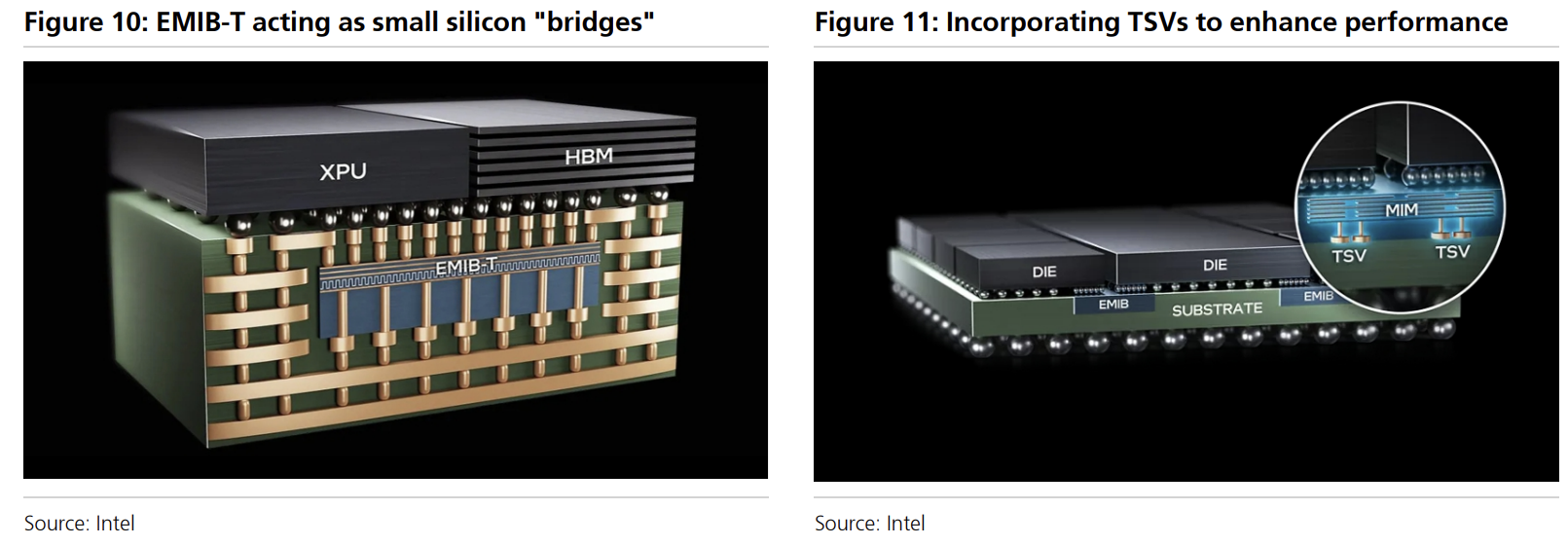 In short: In the short to medium term, the position of ABF substrates remains rock solid. Glass substrates and CoWoP are still in the technical validation phase. For the Taiwanese supply chain, the most critical immediate focus remains yield improvement and material support for high‑end ABF substrates.
Based on the above observations, we have compiled several actionable directions for Taiwanese PCB/substrate professionals, as well as associated R&D, procurement, quality, and sales teams:
This substrate upcycle is fundamentally different from the past PC inventory pulls or mobile phone specification upgrades. It is not a one‑to‑two‑year inventory restocking event, but a multi‑year expansion of AI computing infrastructure.
From the T‑glass supply bottlenecks to the differentiated expansion strategies of Taiwan's big three manufacturers, to the reshuffling of pricing structures, and the battle of next‑generation packaging technologies – every link points to the same conclusion:
The substrate industry has entered a new phase characterised by a different structure, longer cycles, and higher technical barriers.
For professionals in the Taiwanese electronics supply chain, this is both a challenge and a rare opportunity. The challenge lies in the simultaneous pressures of cost pass‑throughs, material management, and technological upgrades. The opportunity is that those who can perfect their process capabilities, material support, and customer service will firmly secure their positions in the high‑end supply chain during this cycle.