April 1, 2026
In the development cycle of hardware products, DFM (Design for Manufacturing) serves as an indispensable bridge connecting R&D and production. From PCB manufacturing, PCBA processes, SMT assembly, electronic component characteristics, to reliability design, DFM encompasses an extremely broad range of specialized fields. As a high-speed PCB specialist committed to providing high-quality services, eCloud Technology fully understands the importance of DFM for successful mass production. In this column, we will provide an accessible introduction to the core concepts and practical value of DFM.
Simply put, DFM (Design for Manufacturing) is the communication bridge between R&D and production. By simplifying, optimizing, and improving product design during the design phase, it helps companies manufacture products of superior quality at a more reasonable cost.
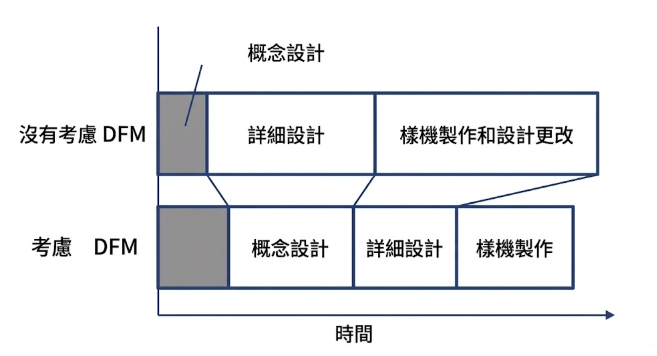
The core concept of DFM is to consider "manufacturing feasibility" from the very beginning of product development, tightly integrating the design and manufacturing phases to achieve the goal of "First Time Right" from design to production.
In practice, DFM mainly covers the following aspects:
The goals of hardware manufacturing are very clear: low cost, high output, stable lead times, and long‑term reliable product quality. DFM is the key driver for achieving these goals, and it is critical for improving production efficiency, accelerating time‑to‑market, and ensuring yield.
Industry data shows that approximately 70% of a product's manufacturing cost (including BOM components and production processes) is determined during the initial design phase. Therefore, DFM has enormous potential for cost optimization, and its impact spans the entire product lifecycle.
Specific benefits of implementing DFM include:
For engineering teams, implementing DFM effectively reduces late‑stage design changes and debugging time, significantly alleviates pressure on R&D and production lines, and allows the team to focus on core technology innovation.
To ensure efficient and stable PCB assembly, strictly following DFM guidelines is a basic requirement. Neglecting manufacturing analysis during the design phase typically leads to the following common problems:
The price and lead time of electronic components vary with suppliers and market fluctuations. These differences may not be obvious during prototyping, but the multiplier effect on cost becomes staggering once the product enters mass production.
Furthermore, even if a selected component is price‑competitive, if it faces supply instability or is near End‑of‑Life (EOL), it can cause serious delivery delays. In the worst case, the circuit board must be redesigned to accommodate a new component, resulting in huge losses of time and money.

If a component’s footprint does not match the PCB pad design, it can cause numerous problems during SMT assembly (e.g., open solder joints, shorts, polarity reversal). Any design that cannot be smoothly processed through reflow or that does not match will eventually require manual rework on the production line. This not only significantly slows down production but also increases manufacturing costs and reduces product reliability.

Designs that do not consider the actual environment in which the product will be used (e.g., extreme outdoor temperatures, high humidity) often fail environmental reliability tests. This forces the team to re‑select components and redesign, and can even lead to expensive RMA (Return Merchandise Authorization) costs after the product is launched.
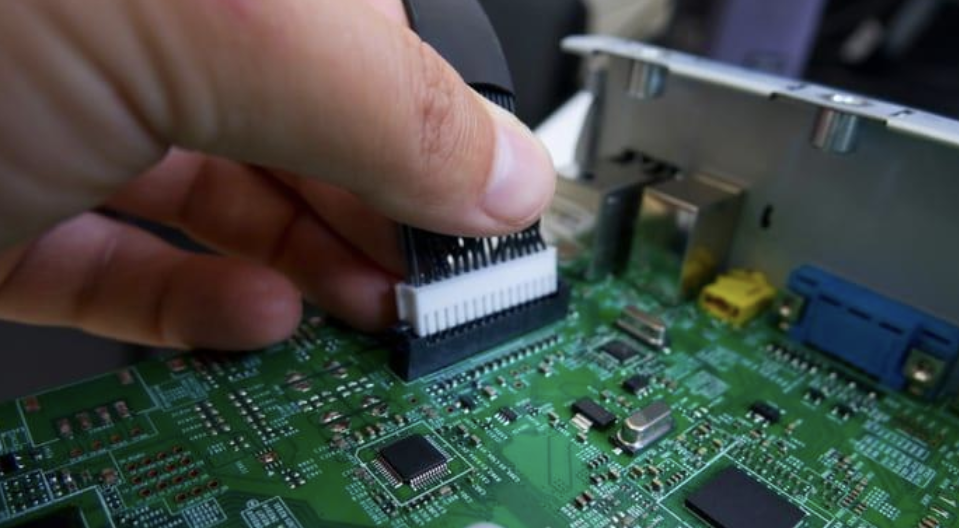
When hardware engineers select components, they must not only verify functionality but also comprehensively evaluate the component’s price, reliability, and product lifecycle. Thorough BOM management and second‑source planning can effectively mitigate the risk of future supply chain disruptions.
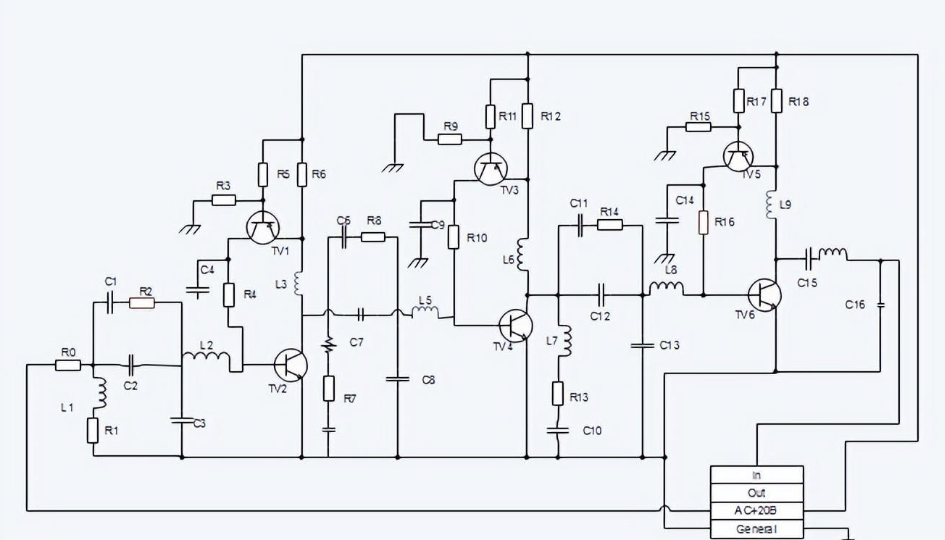
PCB Layout directly determines subsequent manufacturing methods and yields:
When dealing with high‑speed signals and power circuits, ensure the signal paths are optimized to maintain electrical performance. An excellent PCB designer strikes the perfect balance between “stringent electrical performance requirements” and “the factory’s actual manufacturing capabilities.”
Before sending the design to manufacturing, make sure all production files (e.g., Gerber files, BOM, pick‑and‑place coordinates) are complete and accurate. This is the last line of defense to ensure smooth manufacturing.
DFM is a continuously improving engineering discipline. eCloud Technology hopes to use its professional technical services to help customers establish a solid DFM mindset at the earliest stages of design, working together to build high‑quality products that are more competitive in the market.