August 24, 2026
Why can the quotation for a PCB change when the dimensions and order quantity appear to be the same? Why may the price movement of a standard multilayer board remain limited while a high-layer-count, heavy-copper, or low-loss board changes more noticeably? The answer is not simply that the fabricator has raised its price, nor can it be explained by copper prices alone. A PCB quotation reflects raw materials, laminate specifications, manufacturing complexity, material utilization, yield risk, and supply conditions. For R&D engineers and product managers, understanding which design decisions amplify these factors is more useful than trying to predict the next price movement.
The major materials used in a conventional rigid multilayer PCB include:
A CCL is not a single homogeneous material. A typical PCB laminate combines copper foil with resin and glass reinforcement. Its high‑speed performance depends on the resin system, copper‑foil roughness, and glass construction.
Two specifications labelled “FR‑4” may therefore use materials with very different thermal properties, electrical loss, availability, and cost.
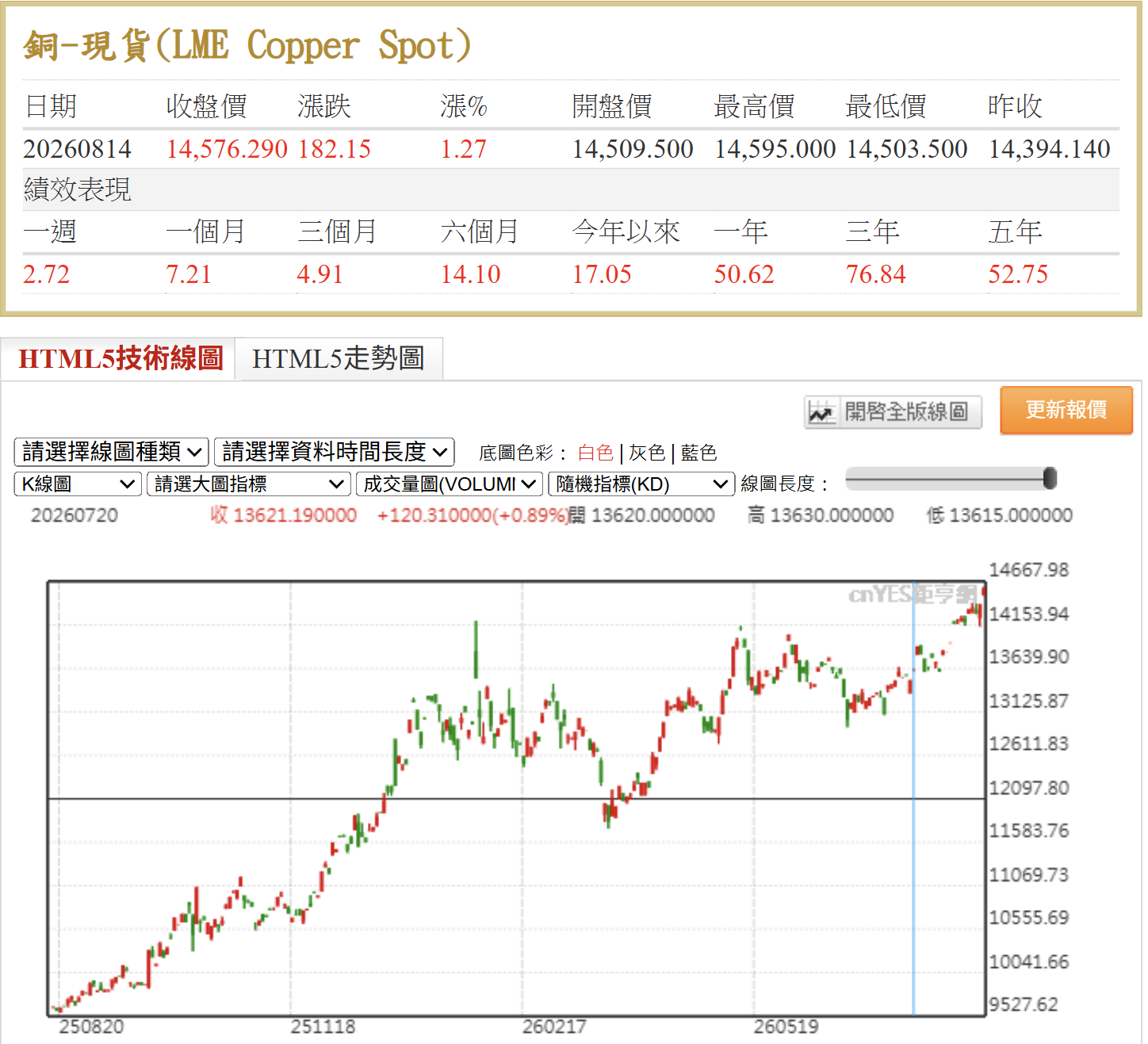
Copper is the main conductor material in PCB traces and plated holes. International copper prices are commonly used as supply‑chain references. For example, the London Metal Exchange Official Price is used as a benchmark in physical copper transactions and related contracts.
However, a 10% increase in copper prices does not automatically produce a 10% increase in finished‑PCB prices. The actual effect depends on:
A standard two‑layer board with 1 oz copper will not have the same material‑price sensitivity as a high‑layer‑count power board with a finished copper thickness of 2 oz or more.
R&D teams should therefore avoid estimating PCB price changes directly from a single metal index. It is more useful to determine whether the material assumptions behind the quotation have changed.
AI servers, high‑speed switches, networking equipment, and RF applications may require lower dielectric loss, tighter dielectric‑property control, and lower‑profile copper foil.
These requirements can involve:
High‑speed laminate suppliers provide different resin, glass, and copper options, and certain materials may be available only in selected thicknesses or copper weights.
The cost impact is therefore not limited to a higher material price. It can also result from:
Some design conditions appear manageable individually but become significantly more difficult when combined.
Examples include:
The fabricator must account for more than the material unit price. Lamination, drilling, plating, etching, impedance control, testing, and scrap risk must also be evaluated.
When a quotation identifies increased material cost, the difference may therefore include a revised assessment of manufacturing risk rather than only movement in the raw‑material market.
Instead of asking only why the price increased, separate the quotation into confirmable engineering conditions.
| Check item | Recommended question | Possible impact | | :--- | :--- | :--- | | Material specification | Are the brand, product code, and material class unchanged? | Electrical performance, reliability, and price | | Copper conditions | Are base copper, finished copper, and foil type unchanged? | Etching difficulty and material cost | | Stackup | Have the core, prepreg, or total thickness changed? | Impedance, lamination, and material utilisation | | Purchasing conditions | Is the material normally stocked? What are its MOQ and lead time? | Prototype cost and scheduling | | Process | Are additional lamination cycles, blind vias, back drilling, or special plating required? | Process count and yield | | Surface finish | Is the finish ENIG, ENEPIG, immersion tin, or another process? | Metal and processing cost | | Testing | Are impedance coupons, electrical testing, microsections, or reliability tests required? | Engineering and inspection cost | | Quotation terms | What are the validity period, quantity breaks, and lead time? | Purchasing decisions and price comparison |
If a new quotation is higher than a previous one, first confirm that both are based on the same Gerber data, stackup, laminate, copper thickness, surface finish, quantity, and delivery schedule. Comparing totals based on different engineering assumptions can be misleading.
High‑speed and high‑reliability designs often restrict material substitutions. Treating two laminates as equivalent because they have a similar Tg or belong to the same broad loss class can overlook:
Alternative materials should be evaluated jointly by the electrical, mechanical, reliability, and manufacturing teams. Impedance, insertion loss, and thermal reliability may need to be revalidated rather than allowing procurement to decide solely on price.
Practical risk‑reduction measures include:
PCB raw materials affect quotations, but copper, glass fabric, and resin prices are only part of the picture. Material class, copper‑foil type, layer count, copper thickness, stackup, process cycles, yield, and purchasing conditions collectively determine the final price.
For R&D engineers and product managers, controlling cost risk does not mean following daily commodity prices. It means defining the specification clearly and understanding which requirements are essential to performance and which still allow manufacturing flexibility.
For projects involving high‑layer‑count boards, HDI, low‑loss laminates, heavy copper, or specified stackups, eCloud can help organise material and DFM confirmation items before PCB prototyping so that quotation comparisons are based on consistent engineering conditions.