From Material Costs to Procurement Milestones
Check quotation validity, material specifications, and lead-time conditions before committing your prototype schedule.
The Gerber files are unchanged, yet a new inquiry receives a different quotation. The specified material may also have a different lead time.
“Copper prices have increased” is often only the beginning of the explanation. PCB pricing also involves foil processing, resin, glass fabric, fabrication requirements, and material inventory. A percentage change in the commodity copper price cannot be applied directly to the price of a finished board.
For R&D and procurement teams, the practical questions are which costs have changed, which specifications must remain, and when material availability and delivery can be confirmed.
Grid expansion, electrification, and data center development all contribute to copper demand. Supply growth faces constraints including ore grades, development costs, and the time required to bring new mines into production.
The IEA’s Global Critical Minerals Outlook 2026 continues to identify a medium- to long-term copper supply gap. However, the projected gap has narrowed compared with the previous edition as new projects advance. Forecasts change with investment, production, and demand; a scenario is not a predetermined outcome.
Source: IEA, Global Critical Minerals Outlook 2026
Higher copper prices also do not mean every part of the supply chain earns more. Smelters receive treatment and refining charges, or TC/RCs, for processing copper concentrate. When concentrate availability is tight relative to smelting capacity, those charges can come under pressure. Metal prices and processing profitability can therefore move in different directions.
Source: IEA, Copper Prices and Smelter Pressures
The same distinction helps explain PCB materials: commodity copper prices, electronic-grade foil prices, and PCB fabrication charges operate at different levels.
Material manufacturing and processing stand between copper and a finished circuit board.
Electronic-grade copper foil must meet thickness, surface treatment, and quality requirements. Copper-clad laminate, or CCL, combines copper foil with an insulating substrate. Common glass-reinforced resin systems also involve specified glass fabrics and resins. Multilayer fabrication uses prepreg and processes such as lamination to build the required structure.
Material reference: Isola, PCB Laminates and Prepreg
When evaluating a PCB price change, distinguish at least four factors:
Prototypes and ongoing production have different cost structures. Even when they use the same material, their sensitivity to material price increases may differ.
Before comparing old and new quotations, confirm that these conditions match.

In subtractive fabrication, circuitry is etched from copper-clad material. The copper remaining on the finished board does not represent all the foil purchased for production.
Gerber copper coverage alone therefore cannot determine how much material cost should decrease. Reference planes and intended return paths should not be removed simply to reduce copper usage.
Equal copper thickness does not guarantee equal foil surface characteristics.
For high-frequency and high-speed applications, copper roughness can affect conductor loss and insertion loss. Its influence also depends on frequency and dielectric thickness. Comparing only copper thickness and material names can overlook conditions on which the original electrical validation depended.
Technical reference: Rogers, High-Frequency Circuit Material App Notes
Evaluate alternatives together with dielectric properties, foil type, stackup, and validation requirements.
Reducing copper thickness can affect current capacity, temperature rise, conductor resistance, and fabrication conditions. For outer layers, distinguish base copper from finished copper thickness so engineering, procurement, and the fabricator share the same understanding.
Complete the design and manufacturability assessment before comparing the actual cost benefit.

For an individual PCB project, availability of the specified material grade, thickness, foil, and prepreg combination matters more directly than global copper inventory figures.
Using existing stock and purchasing new material create different scheduling conditions, even for otherwise similar multilayer boards. An available alternative must still meet design and customer requirements.
Confirm these scheduling items separately:
An inquiry, price confirmation, material reservation, and production release may be separate milestones. Receiving a quotation does not automatically mean materials and capacity have been allocated.
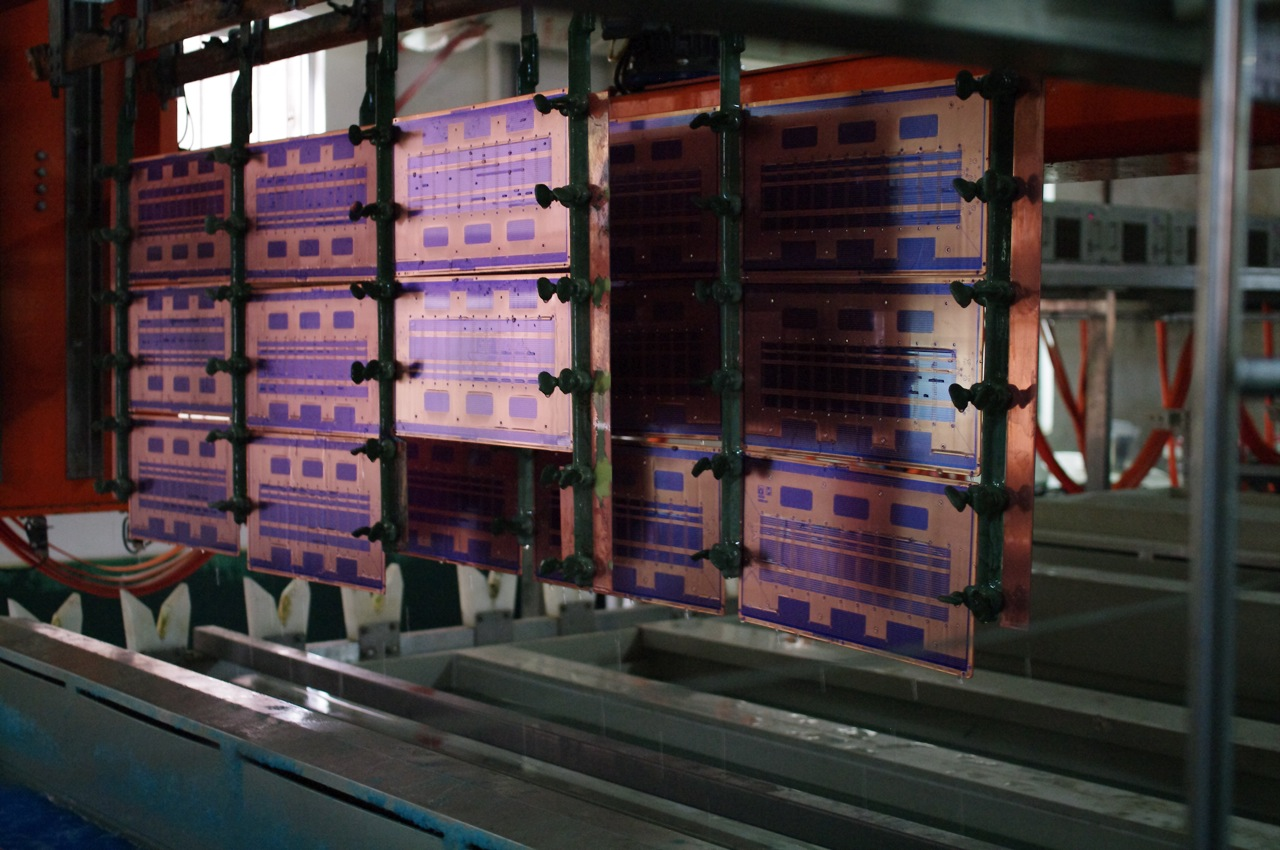
If alternative materials may be needed, evaluate them during design validation. Reopening impedance, loss, or reliability assessments after material delivery has already threatened shipment adds project uncertainty.
Not necessarily.
A fabricator may be using materials purchased earlier. Foil processing, resin, glass fabric, and fabrication costs also do not necessarily decline together. Actual adjustments depend on purchasing dates, contract terms, quantities, and specifications.
This does not mean every price change can be explained simply as a raw-material increase. Procurement teams can ask suppliers to identify the affected items and compare quotations under matching conditions.
During copper price volatility, effective management of PCB pricing and lead times starts with clear material specifications, quotation validity, and procurement milestones. Closing those information gaps helps teams decide whether to accept a revised quotation, change the design, or evaluate alternative materials.
For PCB prototyping or small-batch fabrication inquiries, provide eCloud with Gerber files, fabrication requirements, the stackup, and required quantities. Include mandatory materials and substitution restrictions to support quotation and fabrication review.