May 10, 2026
For Taiwan’s ODMs, OEMs, and system R&D centers, the air in May 2026 is thick with the scent of anxiety and burning cash. On April 30, memory giants Samsung and SK Hynix released their Q1 2026 earnings reports—and they weren't just showing off impressive numbers; they were issuing an ultimatum to the global hardware supply chain. As memory prices enter a "hourly dynamic pricing" era, the PCB is no longer just a carrier for circuits; it has become the "safety deposit box" protecting the world's most expensive chips.
According to the latest reports from Tom's Hardware and SCMP, the global storage market is experiencing unprecedented volatility:
Sources:
- Tom's Hardware (2026-04-30): “Samsung and SK hynix warn AI‑driven memory shortages could last until 2027 and beyond”
- AsiaOne (2026-04-30): “Samsung chip profit jumps almost 50‑fold; supply shortage to worsen in 2027”
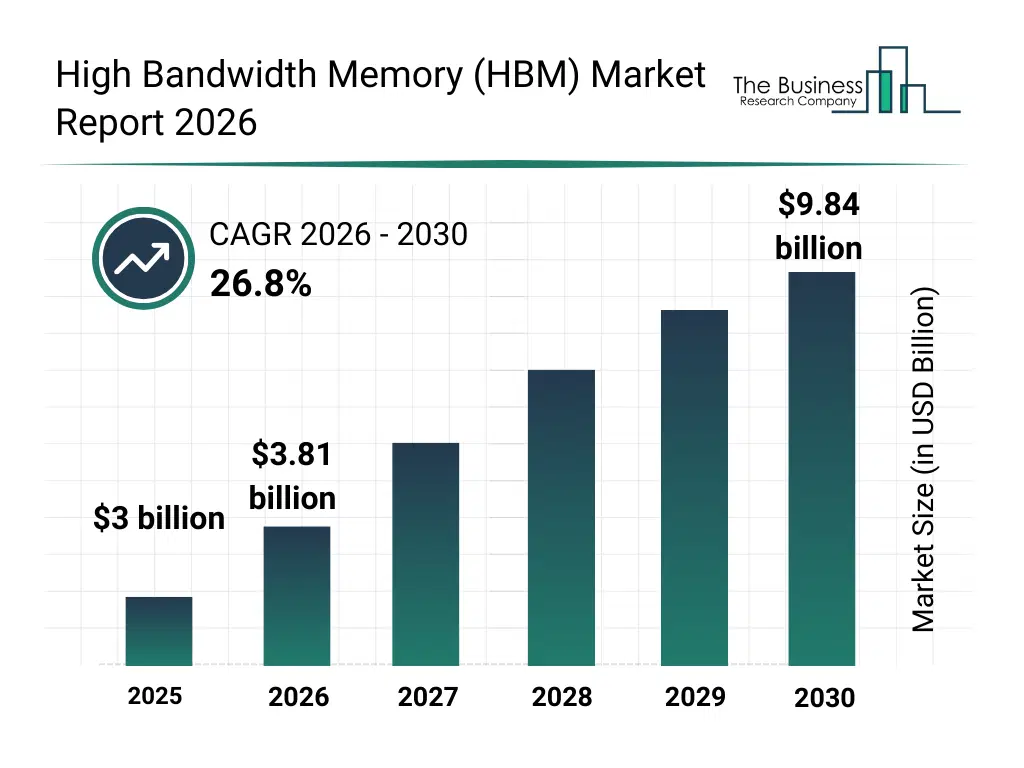
Beyond the memory crunch, a devastating event for the PCB industry occurred in late April 2026:
This means that if you are currently designing an AI accelerator motherboard featuring HBM4, you are caught in a pincer movement: extremely expensive and scarce chips, paired with highly unstable and rising high‑end board material costs.
When a single HBM4 chip is valued at over $500, any minor error in PCB design (resulting in scrap or rework) becomes a financial catastrophe for the company.
With reports of DRAM entering an “hourly dynamic pricing” model, R&D engineers must prioritise AVL (Approved Vendor List) compatibility within their layouts.
HBM4 features higher stacks and greater bandwidth, making it extremely intolerant of voltage fluctuations.
The increase in heat density brought by HBM4 is an undeniable reality.
As of May 2026, PCB design has shifted from “Hardware Development” to “Risk Management.”
The core mantra we share with our clients is: “The chip is 100 times more expensive than the board; your design must pass the ‘One‑pass’ test.”
When memory quotes change by the hour and substrate supply is unstable, professional DFM (Design for Manufacturability) reviews and SI/PI simulations are no longer optional – they are your only survival guide. Until the shortage eases in 2027, the only way to stand firm in this AI tsunami is to calculate every ounce of design precision with extreme rigor.