April 13, 2026
As April begins, reports of price hikes in the PCB industry have once again drawn market attention. Japan’s Mitsubishi Gas Chemical (MGC) officially announced a 30% price increase effective April 1 for its full range of high-end PCB materials, including copper-clad laminates (CCL) and prepregs (PP). This marks the third price hike by this international giant in the past six months. Meanwhile, major Taiwanese glass cloth manufacturers such as Fu Chiao and Chien Jung have also finalized their April price adjustment plans. The quoted price for 7628-grade electronic glass cloth has risen by nearly 10% compared to March, marking the fourth price hike for glass cloth this year. From the capital markets to the industrial sector, this wave of PCB price hikes has persisted for a full year. The cumulative increase across six rounds of price adjustments ranges from 47% to 65%, yet there are no signs of it abating. On the contrary, driven by the continued surge in demand for AI computing power, the trend appears to be accelerating.
The most intuitive feeling about this wave of PCB price increases is that it is “intense” and “differentiated.”
The price surge was first ignited by upstream raw material manufacturers, especially the moves of international giants, which directly drove the pricing rhythm of the entire industry chain. On March 1, 2026, Japanese semiconductor materials giant Resonac took the lead by announcing a price hike of more than 30% for copper clad laminates and prepregs; Mitsubishi Gas Chemical followed, raising prices for its entire series of high‑end PCB materials by 30% from April 1.
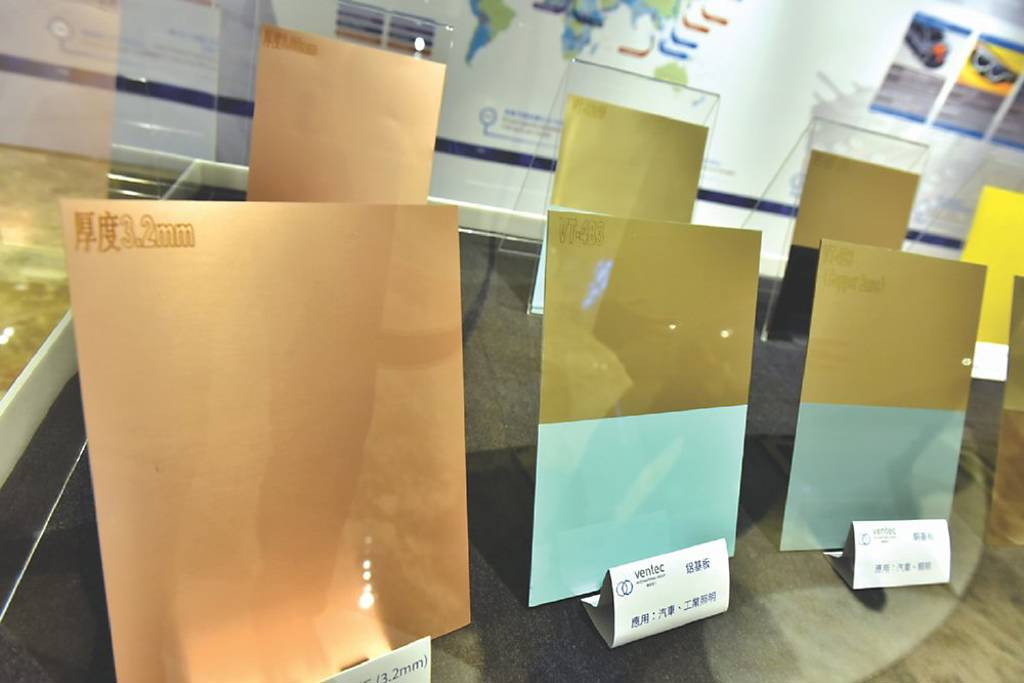 The price adjustments by these two giants directly opened up room for price increases among related Taiwanese manufacturers.
In the field of electronic‑grade glass fabric, many domestic companies finalized price adjustments for April at the end of March. The quoted prices for the 7628 specification from benchmark manufacturers such as Fujo and Jan Rong rose between 9% and 10%. Since October 2025, glass fabric has undergone six rounds of general price increases, with a cumulative increase of more than 45%.
In the copper clad laminate (CCL) sector, domestic leaders such as EMC, Iteq, Taiwan Union Technology, and Nan Ya Plastics have indicated that a new round of price hikes has started in the second quarter, with average prices expected to rise another 20% or more, and the increases are likely to continue until the end of May. If the traditional peak season in the third quarter is combined with an acceleration of AI computing power pull‑ins, the upward trend will probably continue.
Looking at the categories of price increases, the differentiation is very clear:
The tense situation on the manufacturing side also confirms the reasonableness of the price increases. On the PCB manufacturing side, the server board order schedules of leading companies such as Gold Circuit Electronics and Tripod have already covered the whole of 2026, with some orders even extending to early 2027, and capacity utilisation is close to full. Meanwhile, small and medium‑sized manufacturers, lacking both materials and orders, are struggling to survive at the tail end of the industry chain.
The fact that this wave of PCB price increases has been able to continue for a year and is still accelerating is not due to a single factor, but to the “combined force” of four major factors: cost, demand, capacity, and geopolitics.
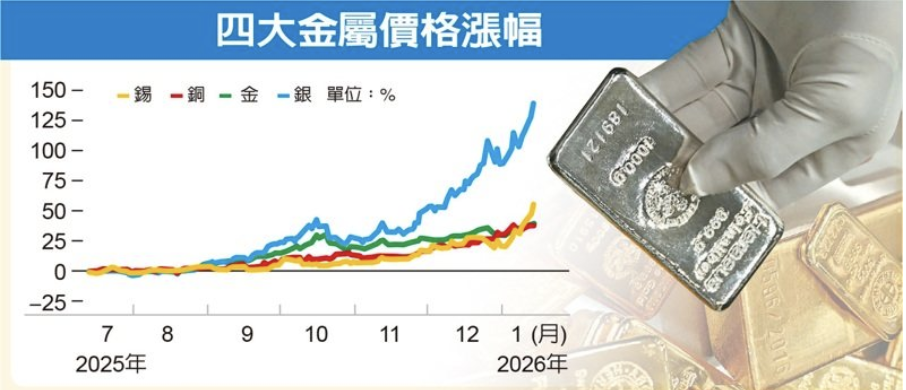
The core costs of PCB production are concentrated on precious metals and raw materials. Since 2025, the prices of gold, silver, copper, tin and other metals have soared. The process cost of ENIG has doubled, the price of Immersion Silver has risen by as much as 150%, and copper foil prices have increased by 60%. For a high‑end AI server motherboard, the cost of the ENIG process alone has doubled compared to the same period last year, and the share of raw material costs has directly increased from the previous 50% to more than 65%. Coupled with the sharp rise in global shipping costs caused by the Red Sea crisis, price increases by upstream manufacturers have become inevitable.
In recent years, demand for AI computing power has experienced an epic blowout. As demand for high‑end hardware such as global AI servers, GPUs, and 800G/1.6T optical modules grows exponentially, both the volume and specifications of PCBs have jumped. At the recently concluded Nvidia GTC 2026 conference, Groq 3 LPU chips integrated 256 chips per rack, greatly increasing the density of PCB usage. Data shows that the PCB value required for one high‑end AI server is as high as more than US$200,000, which is more than 10 times that of a traditional server. This explosive demand has directly crowded out the supply of upstream high‑end materials.
The capacity expansion cycle for high‑end PCB‑related raw materials is very long. The expansion cycle for electronic‑grade glass fabric looms is more than one year, and high‑end equipment relies on imports. The production technology for HVLP high‑speed copper foil is difficult, with yields of only 50‑60%, and the capacity gap in 2026 is as high as 48%. In addition, high‑end HDI and IC substrates require extremely high equipment precision, and the capacity ramp‑up cycle is generally more than 12 months, so there is no way to alleviate the supply‑demand tension in the short term.
As the price surge unfolds, foreign and local institutional investors have almost reached a consensus: this round of PCB price increases will be a permanent value revaluation driven by AI technology. Institutions generally expect that the high prosperity of the PCB industry will continue until 2028 or even longer, and the most benefited segments of the industry chain are concentrated in “high‑end” and “upstream” areas:
Looking back at this wave of PCB price increases that has lasted for a year, the core logic is not the cyclical rebound of traditional manufacturing, but the “industrial value restructuring” triggered by AI technology iteration.
With the deployment of AI computing infrastructure, the value and technical threshold of high‑end PCBs have greatly increased, and the industry landscape is undergoing fundamental changes. In the future, leading companies with technological moats and high‑end capacity advantages will continue to capture industry dividends.
From the current situation, the price surge is far from over. A new round of price increases has already landed in the second quarter of 2026, and the shortage of high‑end materials is estimated to last at least until 2027. While optimistic about the long term, we also need to be aware of potential risks: if core material prices rise too quickly, they may compress the profit margins of mid‑stream conventional process manufacturers; and the recovery momentum of end‑consumer electronics will determine whether this dividend can spread throughout the entire PCB industry chain.